 EN
EN  RU
RU  AR
AR 
12 Incredible Things to Do in Dubai for History & Culture Lovers
A guide to Dubai history and culture for travelers who want more than skyscrapers — old souks, restored heritage houses, and centuries-old traditions hiding behind the skyline.
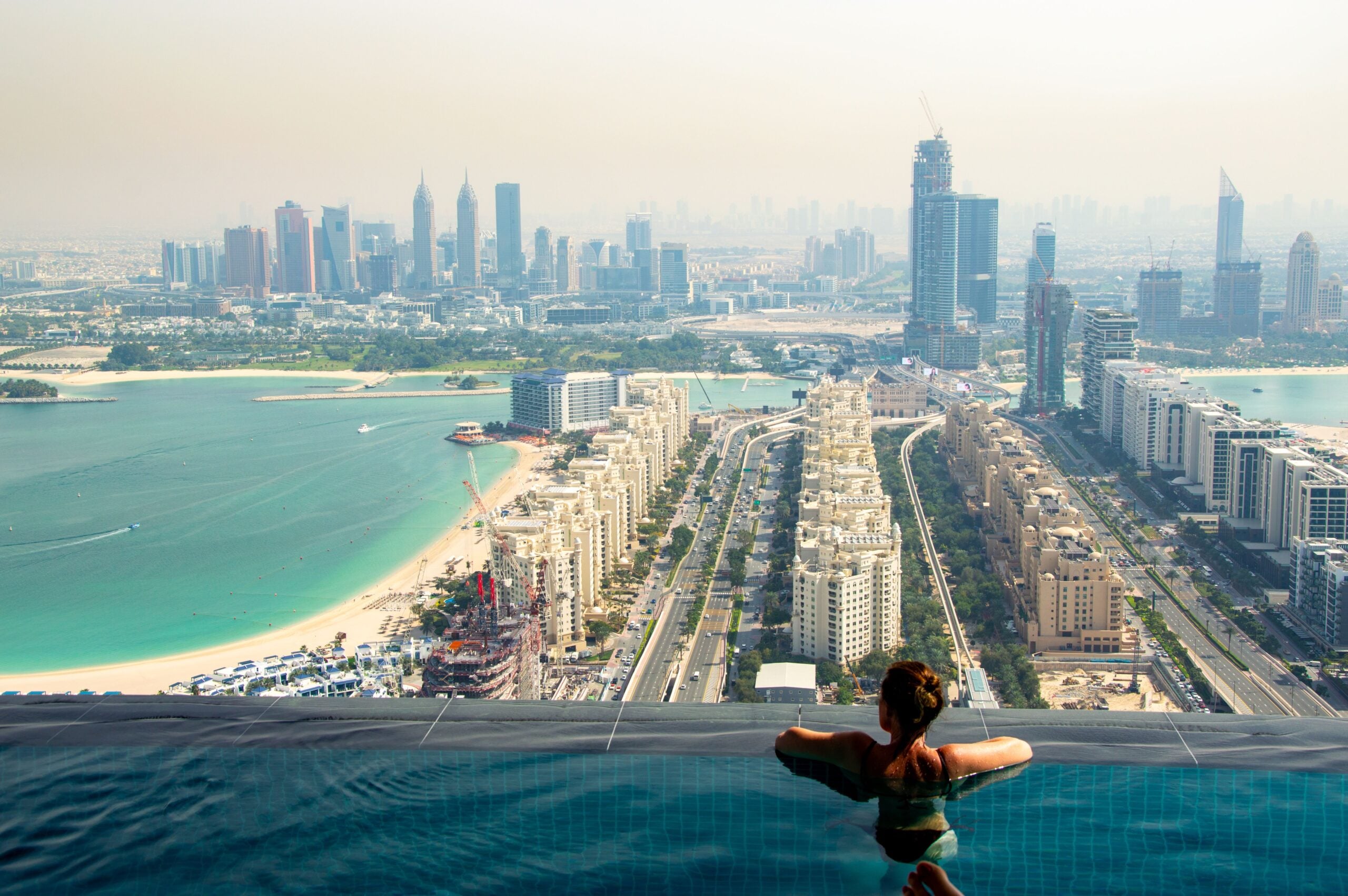
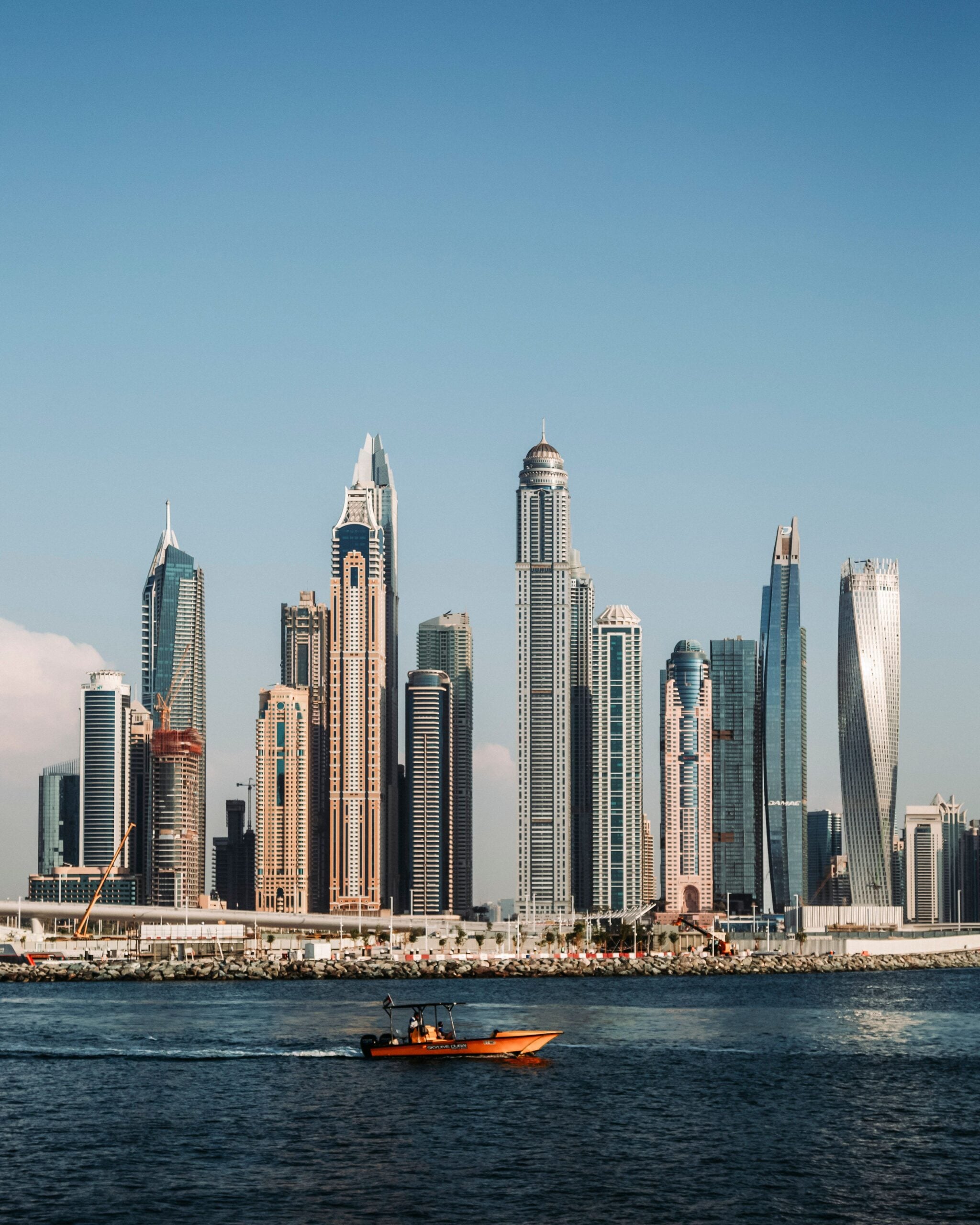
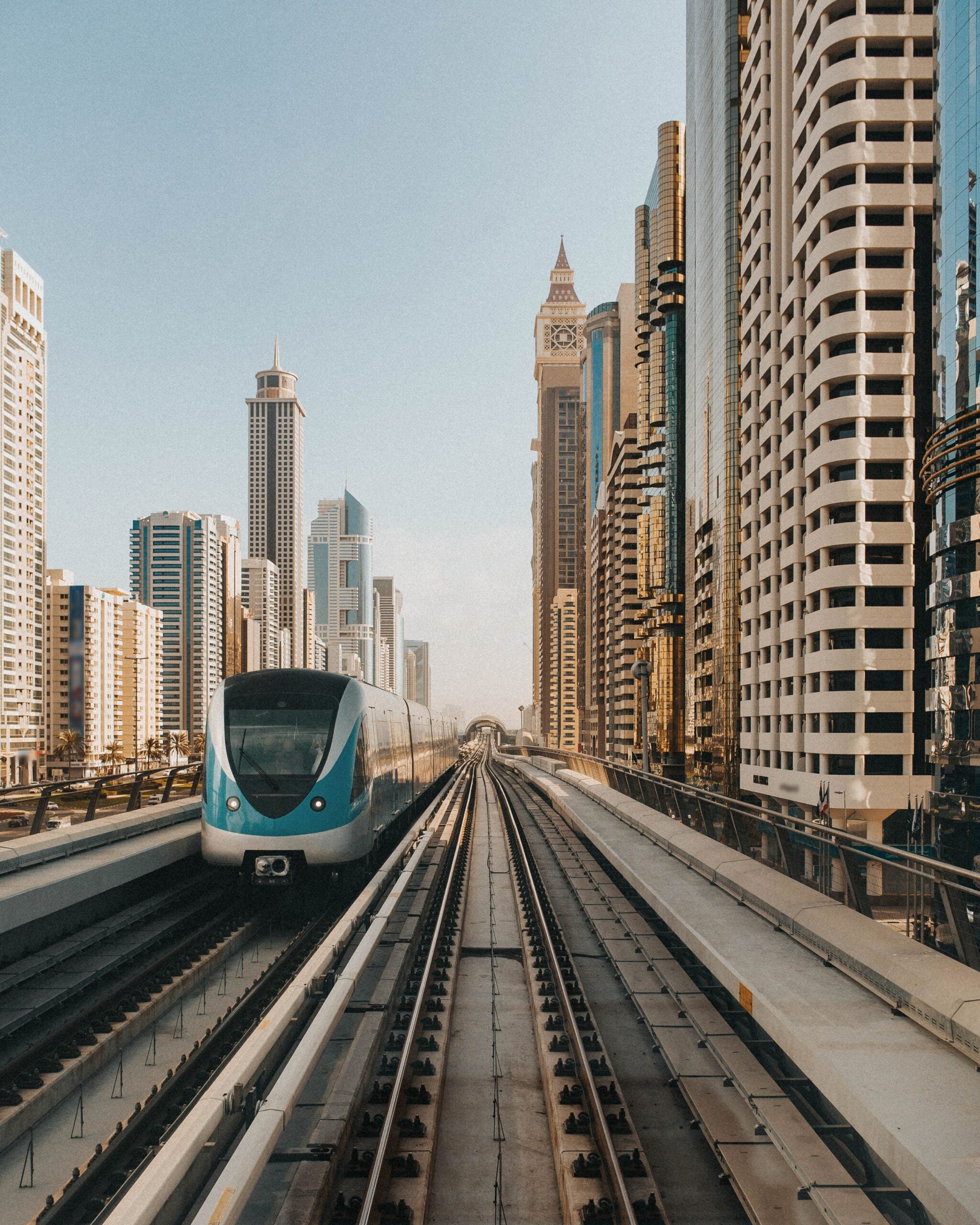
Dubai’s reputation precedes it: the tallest tower on Earth, man-made islands, a skyline built to look futuristic.
But scratch beneath the glass and steel, and a different city appears — one that was, not long ago, a modest fishing and pearl-diving settlement on a tidal creek.
If you’re searching for things to do in Dubai for history lovers, Old Dubai has quietly kept that story alive — in wind-tower houses, gold souks, and museums built inside centuries-old forts.
In this guide, you’ll find:
- The best historical places to visit in Dubai
- The most rewarding cultural experiences for tourists
- Practical tips for exploring Old Dubai in a day (or three)
Whether you’re a first-time visitor or a longtime resident who’s never wandered past the malls, these 12 stops will change how you see the city.
Why Dubai’s History and Culture Deserve Your Attention
Contemporary Dubai is often mistaken for a city with no past — built overnight on oil money and ambition.
In reality, its roots go back to 1833, when the Bani Yas tribe, led by the Al Maktoum family, settled along Dubai Creek and built a trading and pearling economy. That small settlement would eventually grow into a global metropolis.
Knowing that journey adds real depth to a visit — turning a checklist of attractions into a genuine story of transformation. Today, that story lives on in a handful of neighborhoods clustered around Bur Dubai, Deira, and the Creek. Here’s where to find it.
Old Dubai Neighborhoods to Explore
1. Al Fahidi Historical Neighbourhood (Al Bastakiya)
No guide to Dubai heritage sites starts anywhere else. Al Fahidi is a beautifully restored quarter of coral-stone buildings and wind-tower architecture — the city’s original form of air conditioning, built before electricity existed. Narrow alleyways now house art galleries, boutique cafés, and small cultural centers, making it as much a creative hub as a historical one. Plan for at least two unhurried hours here.
2. Dubai Creek and the Abra Crossing
The Creek is where Dubai’s story begins. Hop on an abra — a traditional wooden ferry — for a short, inexpensive crossing between Bur Dubai and Deira. It’s one of the few experiences in the city that has remained almost unchanged for a century, and it offers a completely different perspective on the city’s layout and trading history.
3. Al Seef
A newer addition, Al Seef blends heritage-style architecture with a modern waterfront promenade along the Creek. It’s a gentler, more polished introduction to Old Dubai aesthetics if Al Fahidi’s alleyways feel too maze-like for a first visit.
Museums and Landmarks That Tell Dubai’s Story
4. Dubai Museum at Al Fahidi Fort
Housed in Al Fahidi Fort — believed to be the oldest existing building in Dubai — this museum traces the emirate’s evolution from fishing village to global hub. Note that the museum has periodically closed for renovation, so it’s worth checking current status before visiting; the surrounding fort and courtyard are worth a stop regardless.
5. Sheikh Mohammed Centre for Cultural Understanding
This is arguably the single best cultural experience in Dubai for tourists who want direct, respectful engagement with Emirati life. Seated on floor cushions in a traditional majlis setting, visitors share an Emirati meal — think gahwa, dates, and regional specialties — while local hosts answer open questions about customs, dress, religion, and daily life. Breakfast, lunch, and dinner sessions are all available, and it consistently ranks among the most memorable things to do in Dubai for history lovers.
6. Jumeirah Mosque
One of the few mosques in Dubai open to non-Muslim visitors, Jumeirah Mosque offers guided tours explaining Islamic architecture, prayer customs, and Emirati religious life. Its twin-minaret design is also one of the most photographed structures in the city.
7. Bur Dubai Grand Mosque
Close to the Creek and the Bur Dubai souks, this mosque is recognizable by its 70-meter minaret — the tallest in the city — and remains one of the largest active mosques in Dubai, with capacity for 1,200 worshippers.
8. Mohammed Bin Rashid Library
An architectural landmark on Dubai Creek, this library holds more than a million volumes and functions as a genuine cultural hub — academic research space, exhibit venue, and a quiet retreat for anyone wanting a break from the heat and crowds.
Markets and Everyday Culture
9. Gold Souk
Historically, gold ornamentation was reserved for women in the region, and the Gold Souk’s sheer scale of glittering storefronts reflects centuries of that tradition. It’s less about buying and more about witnessing a trading culture that predates the city’s modern economy entirely.
10. Spice Souk
A short walk from the Gold Souk in Deira, the Spice Souk recreates the haggling, sensory chaos of historic merchant trade. Vendors will happily talk through spice origins and uses, echoing exactly how transactions unfolded generations ago.
11. Coffee Museum, Al Bastakiya
Tucked inside Al Fahidi, this small museum traces the cultural and historical journey of coffee through the Arab world — a niche but worthwhile stop for anyone curious about the region’s hospitality traditions.
12. Alserkal Avenue
Not historic in the traditional sense, but essential for understanding Dubai’s *living* culture — Alserkal Avenue is a converted industrial district now packed with contemporary art galleries, artist talks, and rotating exhibitions that reflect how the city’s cultural identity continues to evolve.
Old Dubai at a Glance
| Neighborhood / Site | Best For | Time Needed |
|---|---|---|
| Al Fahidi | Architecture, art galleries | 2–3 hours |
| Dubai Creek & Abra | Local transport experience | 30–45 minutes |
| Sheikh Mohammed Centre | Cultural immersion, meals | 1.5–2 hours |
| Gold & Spice Souks | Trading history, shopping | 1–2 hours |
Tips for Exploring Dubai’s Cultural Side
Timing your visit matters, too. As Dubai’s high season gets underway in September, cooler mornings make walking tours of Al Fahidi and the souks far more comfortable, and the city’s cultural calendar starts filling up again after the summer lull.
- Visit Al Fahidi and the souks in the early morning or late afternoon to avoid peak heat.
- Dress modestly when visiting mosques and cultural centers — shoulders and knees covered.
- Book Sheikh Mohammed Centre sessions in advance; they fill up, especially around sunset and Ramadan.
- Combine the Creek, Al Fahidi, and the souks into a single half-day loop — they’re all walkable or a short abra ride apart.
Frequently Asked Questions
What is the best area in Dubai for history and culture?
Al Fahidi Historical Neighbourhood (Al Bastakiya) is the top pick — a restored 19th-century quarter with wind-tower architecture, art galleries, and the Dubai Museum nearby.
What are the must-visit historical sites in Dubai?
Top sites include Al Fahidi Historical Neighbourhood, Dubai Museum at Al Fahidi Fort, the Sheikh Mohammed Centre for Cultural Understanding, Jumeirah Mosque, and the Gold and Spice Souks in Deira.
Can tourists visit mosques in Dubai?
Yes — Jumeirah Mosque is one of the few open to non-Muslim visitors, offering guided tours that explain Islamic architecture, customs, and beliefs.
How can I learn about Emirati culture in Dubai?
The Sheikh Mohammed Centre for Cultural Understanding hosts traditional meals in a majlis setting, where local guides answer questions about customs, dress, and religion.
Is Old Dubai worth visiting compared to modern Dubai?
Yes — Old Dubai (Al Fahidi, Deira, Bur Dubai) offers a striking contrast to the city’s futuristic skyline, tracing its roots from a fishing and pearl-diving village to a global metropolis.
What is the history of Dubai in brief?
Dubai began as a fishing and pearl-diving village; growth accelerated after 1833 when the Bani Yas tribe, led by the Al Maktoum family, settled and shaped its development into today’s global city.
Where to Stay for the Full Old Dubai Experience
If you’re planning to spend a few days moving between Al Fahidi, the Creek, and the souks, staying somewhere central and well-appointed makes the whole experience smoother. Deluxe Holiday Homes manages a portfolio of premium short-term rentals across Dubai’s most sought-after locations — from Downtown and Dubai Marina to Business Bay — giving culture-focused travelers an easy base to explore both the historic core and the city’s modern side without the compromises of a standard hotel stay.
Sources: Time Out Dubai, Viator, Culture Trip